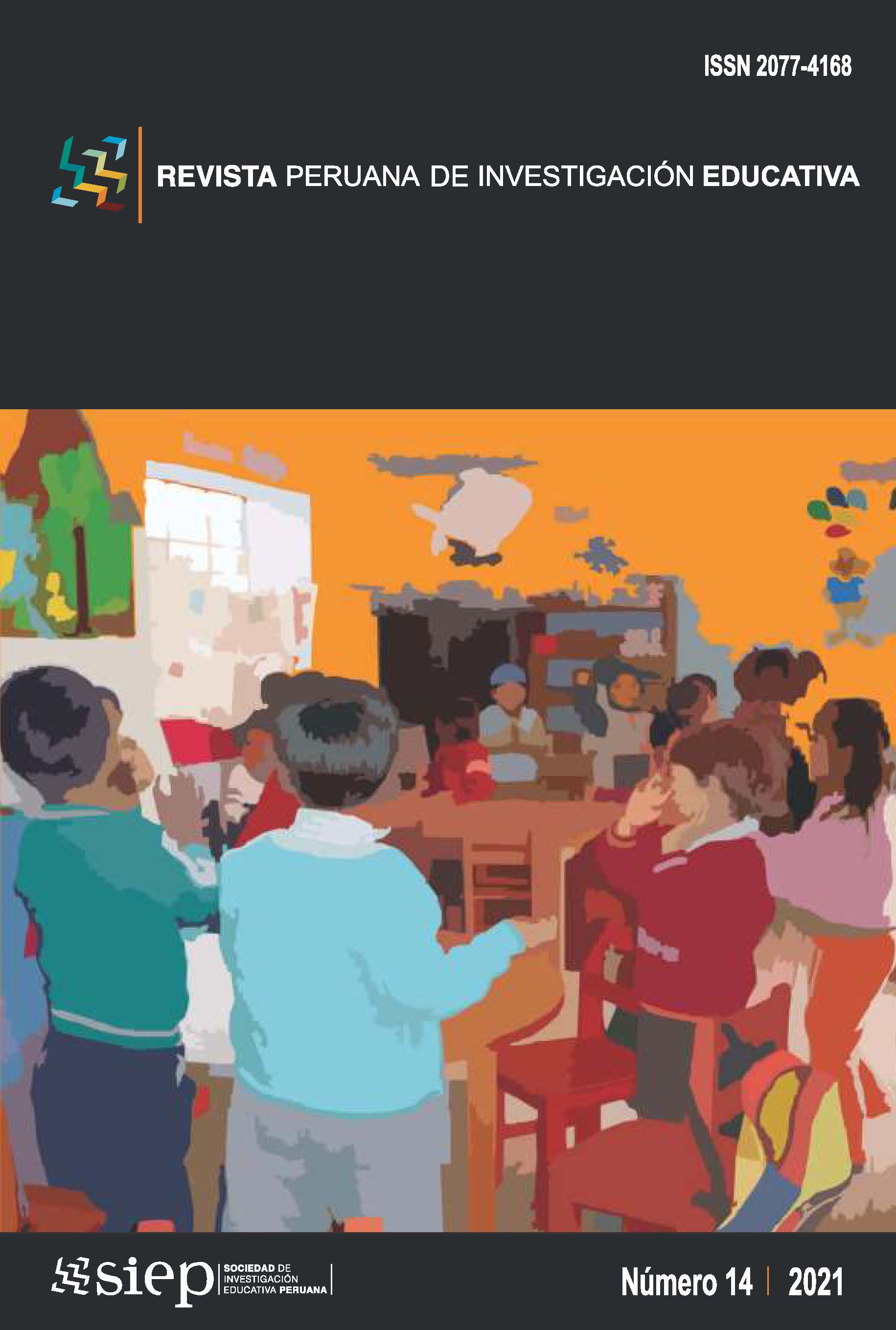
Youth Bilingualism and identity
ethnographic insights for Quechua education in urban high schools
DOI:
https://doi.org/10.34236/rpie.v13i14.292Abstract
Despite the long trajectory of EIB in Latin America, little research sheds light on the practices and meanings of the teaching of Indigenous languages at the secondary level and in urban contexts, areas I wish to contribute to. Throughout the article, I argue for the need to recognize bilingualism beyond competence in a language, and pay attention to the meanings and practices of youth bilingualism, its relationship to youth identity and the symbolic and material consequences it carries for individuals. Drawing on data of a 20-month long ethnography carried out in Cusco, Peru, I shed light on the diversity and complexity of youth communicative repertoires and language trajectories, negative and positive representations of Indigenous language speakerhood youth face, construct and transform and, lastly, youth critiques and demands for Quechua education. The article ends with educational implications for the construction of Indigenous language education in urban contexts.
Downloads
Published
Versions
- 02-08-2021 (3)
- 31-07-2021 (2)
- 31-07-2021 (1)
Issue
Section
License
Copyright (c) 2021 Revista Peruana de Investigación Educativa

This work is licensed under a Creative Commons Attribution-NonCommercial-NoDerivatives 4.0 International License.